

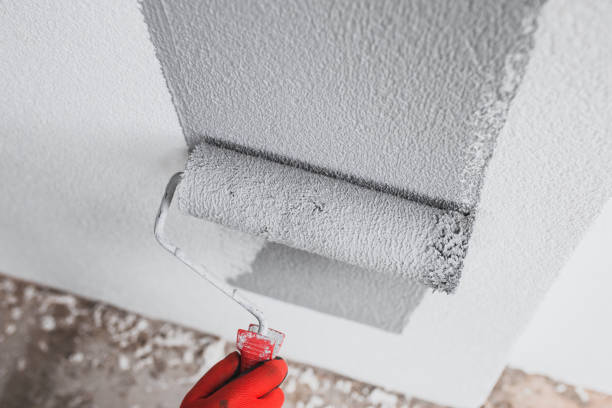
Selecting the right professional painting contractor for your home is a critical step in ensuring a high-quality and lasting finish. With so many contractors available, making an informed decision requires careful planning and research. Below are key tips and considerations to help guide you through the process.
Assess Your Specific Needs
Before starting your search, determine your project’s specific requirements. Ask yourself:
– What areas of the home need to be painted? (Interior, exterior, or both?)
– What type of paint or finish do I want? (Matte, satin, gloss, eco-friendly paints?)
– What is my budget and timeline?
Having these details outlined beforehand can help narrow down your options and ensure that you hire a contractor experienced with projects like yours.
Research Local Contractors
Start by searching for professional painters in your area. Consider:
1. Referrals from Friends or Family: Ask people you trust about their experiences with local painters.
2. Online Searches: Look up contractors near you and check their websites for portfolios or services offered.
Local painters often have firsthand knowledge of weather conditions and materials that work well in your region.
Verify Credentials
To ensure professionalism and quality workmanship, check for the following:
– Licensing: Confirm that they have any required state or local licenses to operate as a painting contractor. – Insurance Coverage: Ensure they carry liability insurance to protect against property damage or accidents during the project. – Certifications: Look for certifications from reputable industry associations like PDCA (Painting and Decorating Contractors of America).
| Credential | Why It Matters |
| Licensing | Ensures compliance with local laws |
| Insurance | Protects against financial liability |
| Certifications | Indicates advanced training/standards |
Request Multiple Estimates
Contact at least three painting contractors to compare their pricing structures. A detailed estimate should include:
– Cost of labor and materials – Estimated project duration – Surface preparation work required – Cleanup after completion
Avoid simply choosing the lowest bid; instead, focus on value by weighing each estimate against factors such as experience, reviews, and overall professionalism.
Evaluate Experience & Expertise
A seasoned contractor will have years of experience handling various painting challenges. Consider asking: 1. How long have they been in business? 2. Do they specialize in residential projects similar to yours? 3. Can they provide specific recommendations on color schemes or finishes?
Experienced professionals are also better equipped to deal with complex surfaces such as textured walls or historic homes.
Check References & Reviews
Ask potential candidates for references from recent clients. Additionally: – Read online reviews on platforms such as Google Reviews or Yelp. – Look for patterns in feedback regarding punctuality, workmanship quality, and customer service.
Positive reviews alongside tangible examples of past work can give you confidence in your choice.
Confirm Written Agreements
Before signing any contracts: 1. Ensure all details regarding costs, timelines, materials used, etc., are clearly outlined. 2. Avoid verbal agreements; always get everything confirmed in writing. 3. Review cancellation policies or guarantees on workmanship if available.
A detailed contract protects both parties by defining expectations upfront.
By following these steps carefully when choosing a professional painting contractor for your home, you’ll significantly increase the likelihood of a successful project that meets both functional needs and aesthetic goals while staying within budget.
Expertise and Skillset in House Painting Florida
A painter with years of experience will likely have developed advanced techniques and problem-solving skills that ensure excellent outcomes. Consider the following:
– Check how long they’ve been in business or working professionally.
– Ask if they specialize in residential painting or have handled similar projects in the past.
– Verify their ability to handle different surfaces (e.g., wood, drywall, stucco).
Licensing and Insurance for Professional Painting Services
Hiring a licensed house painter protects you as a homeowner by ensuring they meet industry standards. Similarly, insurance coverage provides peace of mind during the project:
– License: Confirm that the painter holds valid licenses required by your local or state regulations.
– Insurance: Ensure they have both general liability insurance and worker’s compensation coverage to avoid potential financial risks in case of accidents or damage during the job.
Evaluating Reputation and Reviews for Commercial Painting Services
A good reputation often reflects consistent quality work:
– Look for reviews on trusted platforms such as Google, Yelp, or Better Business Bureau (BBB).
– Ask for references from past clients to gauge their satisfaction levels with the contractor’s work.
Sample Table: Questions to Ask References
| Question | What to Look For |
| Were you satisfied with the quality? | Smooth finishes, no paint drips |
| Was the project completed on time? | Timely delivery without unnecessary delays |
| How was communication throughout? | Prompt updates; clear expectations set |
1. Materials Used
The type and quality of paint matter significantly for durability and aesthetics:
– Confirm whether high-quality paints like Sherwin-Williams or Benjamin Moore will be used. – Discuss eco-friendly options if you’re concerned about VOCs (volatile organic compounds) or sustainability.
2. Detailed Estimate & Transparent Pricing
A reliable house painter should provide an upfront estimate detailing all costs involved: – Labor costs – Materials (paints, brushes, primer) – Any additional fees (e.g., preparation work like sanding walls)
Requesting a written contract will protect you from unexpected changes during billing.
3. Communication Skills & Professionalism
Effective communication ensures everyone is on the same page throughout the duration of your project: – Clarity in discussing your vision for colors, finishes, etc. – Regular updates so you are informed about progress. – Polite, professional conduct that reflects respect for your home.
4. Warranty Offered
Ask if warranties are provided on workmanship or materials used: – A reliable painter typically offers guarantees against peeling, cracking, or fading within a given timeframe after completion.
Hiring an experienced house painter involves careful consideration of these factors so every aspect aligns with your expectations while safeguarding your investment into enhancing your home’s appearance.
Understanding the Range of Services Offered by a Professional House Painter
When hiring a professional house painter, it’s essential to understand the variety of services they offer. Professional painters go beyond simply applying a coat of paint to walls—they provide comprehensive solutions designed to enhance and protect your home. Knowing the range of services offered can help you choose the right expert for your specific needs.
Interior Painting Services
- Cleaning walls to remove dirt, grease, or stains.
- Patching holes or cracks in drywall.
- Sanding and priming surfaces for paint adhesion.
- Smooth finishes for modern aesthetics.
- Textured finishes like sponging or faux effects for unique designs.
- Kitchens and bathrooms often require moisture-resistant paints or finishes.
- Living spaces may need low-VOC or odorless paints for comfort.
Exterior Painting Services
- Power Washing: Cleaning exterior surfaces to remove dirt, mildew, and loose paint before applying new coats.
- Repair Work: Addressing damaged siding, caulking gaps, or replacing wood that may impact paint application.
- Weatherproof Coating: Applying durable paints designed to withstand extreme conditions while preserving vibrant colors.
- Color Consultation: Assisting homeowners in selecting shades that complement their home’s architecture and surroundings.
Specialty Painting Services
- Transforming kitchen cabinets with modern colors or wood stains.
- Using durable coatings to enhance longevity.
- Sealing wood decks for weatherproof protection.
- Adding aesthetic appeal through stains or specialized deck paints.
- Safely removing old wallpaper without damaging walls.
- Installing modern wallpaper designs with precision.
- Removing outdated popcorn textures.
- Smoothing ceilings for a contemporary look.
Color Consultation and Design Advice
Many professional painters offer color consultation as part of their service package. This helps homeowners select suitable color palettes based on lighting conditions, room size, furniture style, and personal preferences.
A professional may also provide design suggestions: – Accent walls to create focal points in living areas. – Coordinating interior colors between adjoining spaces for visual flow. – Exterior schemes that harmonize with landscaping features.
Maintenance Services Post-Paint Job
Some contractors extend their offerings with post-project maintenance options: – Touch-ups after a few months if needed. – Recommendations on cleaning methods to maintain fresh-looking walls. – Annual inspections for exterior paint durability in harsh climates.
| Service Type | Interior | Exterior | Specialty |
| Surface Preparation | ✔ | ✔ | ✔ (e.g., cabinet sanding) |
| Custom Finishes | ✔ | Faux finishes | |
| Repair Work | Minor drywall fixes | Siding/wood repair | Deck repair |
| Color Consultation | ✔ | ✔ | Expert advice |
By understanding these diverse offerings from professional house painters, you can make informed decisions tailored specifically to your project’s scope and requirements. Whether it’s enhancing interiors or safeguarding exteriors against wear-and-tear, selecting a painter who provides versatile services ensures quality results at every step of the process.

The Importance of Checking Reviews and Examining Past Work Before Hiring a Painting Contractor
When it comes to hiring a professional painting contractor, due diligence is one of the most critical steps in ensuring you make the right decision. One way to avoid costly mistakes and unsatisfactory results is by thoroughly checking reviews and examining past work. These actions provide valuable insights into the painter’s skills, reliability, and professionalism.
Why Checking Reviews Matters
Reviews give homeowners a glimpse into others’ experiences with a painting contractor. By exploring customer feedback, you can identify potential red flags or build confidence in the painter’s ability to deliver quality work.
- Customer Satisfaction: Positive reviews indicate that past clients were satisfied with the contractor’s performance. Look for consistent praise regarding punctuality, workmanship, and professionalism.
- Transparency on Weaknesses: If there are any recurring complaints—such as delays or poor communication—it may be a sign that the painter struggles in certain areas.
- Trustworthiness: Verified reviews from reputable platforms such as Google Reviews, Yelp, or Angi (formerly Angie’s List) can help you gauge whether a contractor is dependable.
Key Platforms for Review Research
| Platform | Type of Information Provided |
| Google Reviews | Details about overall customer satisfaction |
| Yelp | Personal experiences with specific details |
| Angi | Verified reviews from homeowners seeking professionals |
| Better Business Bureau (BBB) | Records of complaints and company ratings |
Examining Past Work: A Window Into Quality
While reviews paint part of the picture, nothing speaks louder than visual evidence of a contractor’s capabilities. Reviewing their portfolio or previous projects ensures that their style and standards align with your expectations.
What to Look For in Their Portfolio:
- Consistency: Are lines clean and precise? Is there evidence of uneven paint coverage or streaks?
- Range of Skills: Does the painter handle both interiors and exteriors? Can they manage specialty finishes or custom designs if needed?
- Attention to Detail: Look for quality finishes around trim work, doors, windows, and other challenging areas.
- Project Variety: A robust portfolio often indicates experience handling diverse types of homes—from modern properties to older structures requiring special attention.
Additional Steps:
- Request References: Speak directly to previous clients about their experiences to gain further insight.
- Visit Completed Projects: With permission from past clients or through online galleries provided by contractors, view completed work firsthand when possible.
Questions to Ask About Past Work
To ensure thorough evaluation during this process, consider asking these questions when speaking with references: – Was the project completed on time? – Were there any hidden costs or surprises during the job? – Did the painter maintain communication throughout? – How well were issues resolved?
By taking time to research both feedback from others and evidence of past projects, you empower yourself as an informed homeowner who can confidently select a painting contractor capable of delivering excellent results.
Tips on Ensuring Clear Communication with Your House Painter for a Flawless Finish
Effective communication with your house painter is essential to achieving the desired results for your home improvement project. Misunderstandings can lead to delays, unexpected costs, and subpar results. By fostering clear and open communication from the start, you can ensure that both you and your painter are on the same page. Below are some practical tips to help establish clarity throughout the process.
Start with a Detailed Proposal
A written proposal or contract is crucial before any work begins. It should outline:
– Scope of Work: Specify all areas to be painted (e.g., walls, ceilings, trims).
– Paint Products: Include details about paint type, brand, finish (e.g., matte, semi-gloss), and color codes.
– Timeline: Set clear expectations for project start and completion dates.
– Costs: Break down costs for labor, materials, and any additional services like surface preparation or repairs.
Having all this documented ensures there is no ambiguity about what’s included.
Discuss Expectations Clearly
It’s important to convey your vision in detail during initial discussions. Consider these points:
1. Share inspiration photos or samples to illustrate how you envision the finished space.
2. Explain any specific preferences regarding techniques (e.g., textured finishes).
3. Clarify whether you want full coverage or prefer certain areas left untouched (such as accent features).
Ask Questions
Don’t hesitate to ask questions if anything is unclear throughout the process:
– How do they plan to prep surfaces?
– Will they move furniture or protect flooring?
– What steps will be taken for cleanup post-project?
By asking thoughtful questions upfront, you’ll avoid surprises later on.
Establish Communication Channels
Agree upon a preferred way of staying in touch during the project—whether it’s daily updates via text messages, phone calls at key milestones, or scheduled on-site meetings. This ensures easy collaboration if adjustments are needed along the way.
| Communication Method | Frequency | Purpose | Example Tool/Platform |
| Text Messages | Daily Updates | Share quick updates or concerns | SMS/WhatsApp |
| On-Site Visits | Weekly/Biweekly | Inspect progress | N/A |
| Contract Changes | Formal documentation | Gmail/Outlook |
Request Color Samples & Test Areas
Before committing to large-scale painting work, request that testers be applied in small sections of your home under different lighting conditions (natural light vs artificial light). This step helps verify how colors will look once applied across broader spaces.
Provide Feedback Promptly
If something isn’t meeting your expectations during the process—whether it’s color application or craftsmanship—it’s best addressed early rather than waiting until completion.
Keep feedback constructive by explaining what needs improvement while giving positive reinforcement where applicable.
“I love how evenly you’re applying paint on the walls; however, could we double-check coverage around window frames?”
This approach fosters collaboration without causing tension between parties involved.
Clear communication builds trust between homeowners & contractors alike ensuring smoother processes overall leading up toward polished results tailored exactly fitting client preferences.
- Finding the Perfect Painting Services for Your Home
- Tips for Choosing the Right Florida Painting Company to Transform Your Home
- How to Choose the Best House Painting Florida Company for Your Home and Interior Needs
- How to Choose the Right Florida Painting Company for Your Home
- The Benefits of Hiring Experts for House Painting Florida to Achieve a Professional and Polished Finish
- How to Choose the Best Painting Services for Your Home
- A Guide to House Painting Florida: Choosing the Right Paint Contractor for Your Home
- Finding the Best Florida Painting Company for Your Home Improvement Needs